Snow Forecast: Your Ultimate Guide To Predicting Snowfall - A snow forecast refers to the prediction of snowfall in a specific area over a defined period. Meteorologists use advanced technology and data analysis to provide detailed information about when, where, and how much snow is expected to fall. This information is critical for individuals, businesses, and governments to prepare for winter weather conditions. In urban areas, snow forecasts focus on potential impacts on infrastructure and transportation. Cities often have unique microclimates, which can affect snowfall patterns. Meteorologists tailor their forecasts to address specific concerns, such as road conditions and public safety.
A snow forecast refers to the prediction of snowfall in a specific area over a defined period. Meteorologists use advanced technology and data analysis to provide detailed information about when, where, and how much snow is expected to fall. This information is critical for individuals, businesses, and governments to prepare for winter weather conditions.
In mountainous regions, snow forecasts are influenced by elevation and terrain. Higher elevations typically receive more snowfall, while valleys may experience less accumulation. Localized weather patterns, such as orographic lift, enhance snowfall in certain areas.
Moisture levels in the atmosphere are another critical factor. Higher moisture levels increase the likelihood of snowfall, while dry conditions may result in minimal or no snow accumulation. Monitoring moisture levels helps meteorologists refine their predictions.
Each model has its strengths and limitations, and meteorologists often compare results from multiple models to improve forecast accuracy.
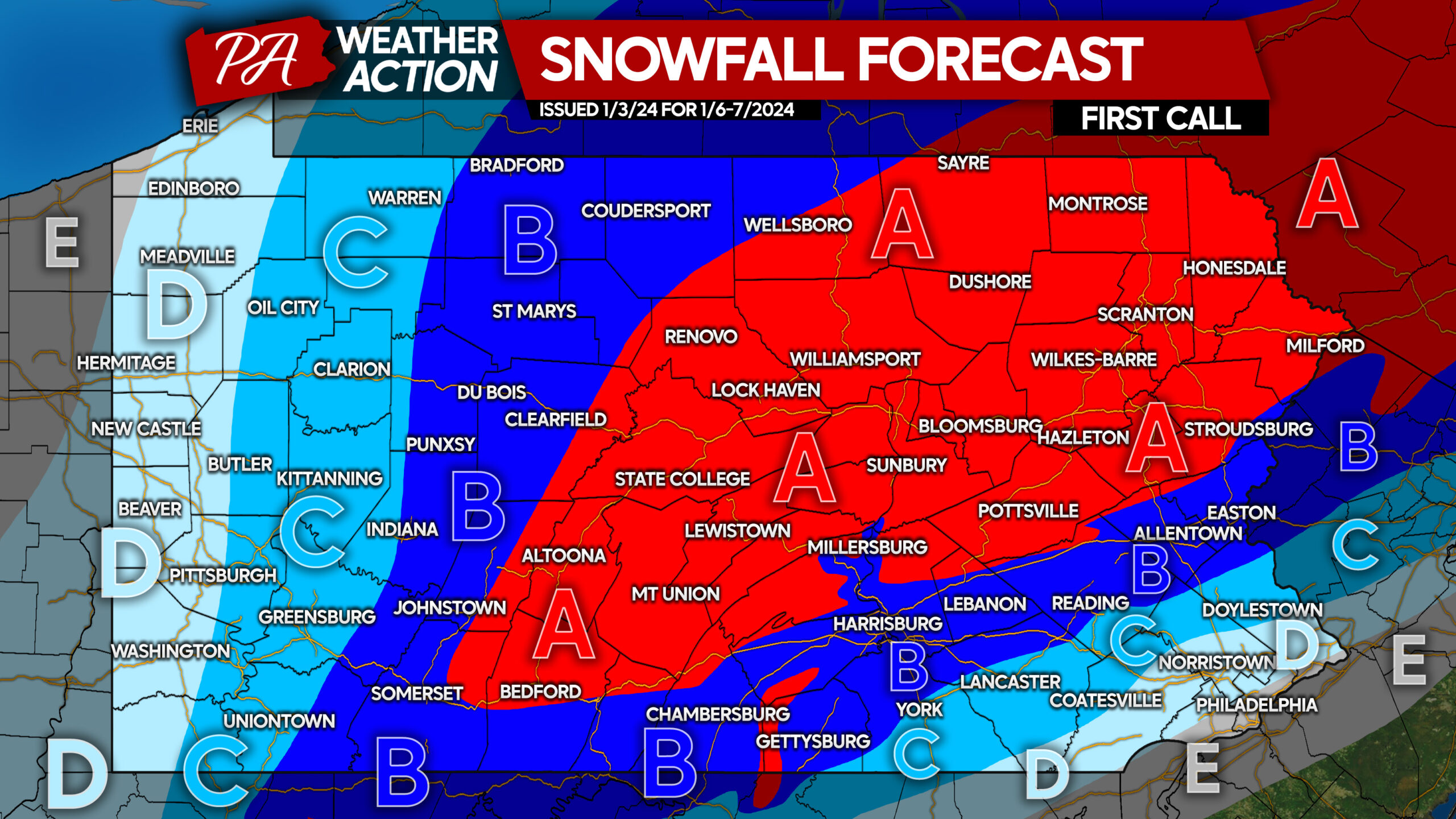
Several key components are considered when creating a snow forecast:
While snow forecasting has improved significantly with advancements in technology, challenges remain. Factors such as localized weather patterns, terrain influences, and sudden changes in atmospheric conditions can affect forecast accuracy. Meteorologists continuously refine their methods to address these challenges.
Stay ahead of the weather with reliable snow forecast data. By understanding how meteorologists predict snowfall and the factors that influence it, you can make better decisions and stay safe during the coldest months of the year.

Snow forecasting involves analyzing atmospheric conditions, such as temperature, humidity, and wind patterns. Meteorologists use a combination of ground-based observations, satellite data, and computer models to predict snowfall. These models simulate weather patterns and provide forecasts based on historical data and current conditions.
Staying safe during snowfall requires preparation and awareness. Here are some tips to help you navigate winter weather:
Long-term snow forecasts, often referred to as seasonal forecasts, predict snowfall trends over several months. These forecasts consider large-scale climate patterns, such as El Niño and La Niña, to provide a general outlook for the winter season. While less precise than short-term forecasts, they offer valuable insights for long-range planning.
Weather Madness Updated Snow Map for the Snow Tonight into Thursday
Snow forecasting is a vital tool for preparing for winter weather. By understanding the science behind snow forecasts and utilizing available resources, you can make informed decisions to ensure your safety and comfort during the snow season. Whether you're planning a ski trip or preparing for a snowstorm, accurate snow forecasts provide the information you need to stay ahead of the weather.